
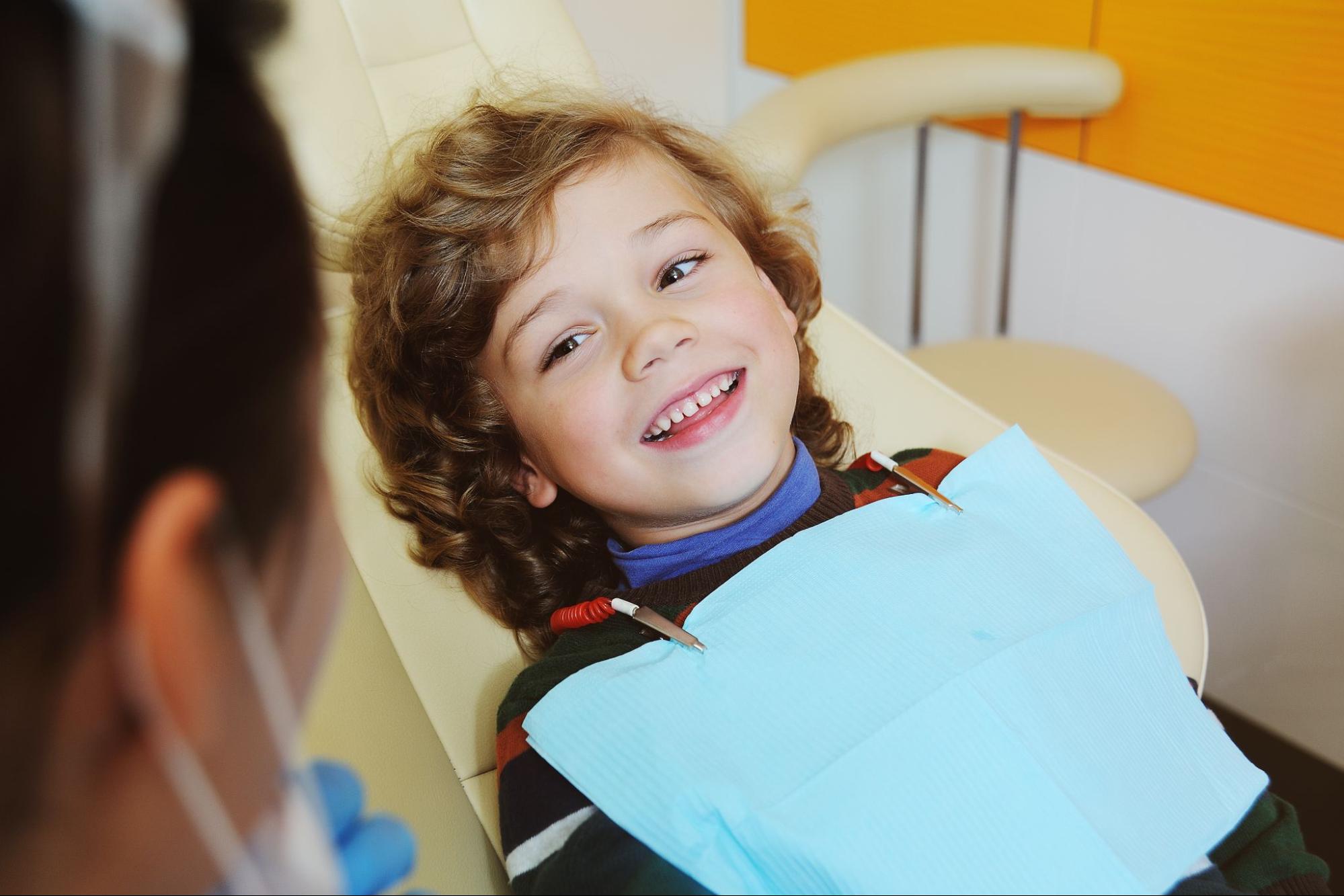
Your child’s first dental visit is a gentle introduction to oral health that lasts a lifetime, ideally happening by their first birthday or within six months of that first tooth peeking through. At Southwest Pediatric Dentistry & Orthodontics, we make sure your little one feels safe, seen, and supported from the moment they walk in.
Knowing what to expect at your child’s first dental visit helps parents feel prepared and kids feel calm. Below, we’ll walk you through everything, from what happens in the chair to how to prep at home.

What Is a Child’s First Dental Visit?
A child’s first dental visit is a short, gentle introduction to oral care that typically happens by age 1 or when the first tooth appears. The American Academy of Pediatric Dentistry recommends this early timing to spot concerns early, teach parents proper home care, and build a positive foundation. It focuses on comfort and familiarity, not extensive treatment.
This first visit is really about connection. Dr. R. Scott Pankratz and the team take time to meet your child, look at any teeth that have come in, and answer parent questions. It’s short. It’s low-pressure. And it sets the stage for future visits that feel routine instead of stressful.
Most importantly, this visit establishes your neighborhood dental home. That means one trusted place where your child’s oral health is tracked from first tooth to final retainer, with familiar faces at every step.
How the First Dental Visit Works: Step by Step
The first visit usually takes 30 to 45 minutes and follows the same easy flow every time. Dr. Scott and the team keep things light, explain each step in simple words, and let parents stay close the whole time. Here’s what happens from start to finish.
- Warm welcome and paperwork. You’ll fill out a short health and dental history so we understand your child’s background, any medications, and feeding habits.
- Gentle exam. Dr. Scott checks the teeth, gums, jaw, and bite. Younger kids often sit knee-to-knee on a parent’s lap for comfort.
- Light cleaning or polishing. Depending on age and how many teeth are present, we may do a quick polish to remove plaque and introduce your child to the feel of professional cleaning.
- At-home care coaching. We walk parents through brushing technique, fluoride use, teething tips, and food and drink habits that protect little smiles.
- Follow-up schedule. Most kids come back every six months for regular exams so we can track growth and prevent cavities.
- Q&A time. You’ll have time to ask about pacifiers, thumb-sucking, sippy cups, spacing, or anything else on your mind.
That’s it. Nothing sudden, nothing rushed. Just a calm, friendly first visit that helps your child feel comfortable coming back.
Why Is an Early First Dental Visit Important?
Bringing your child in early does more than check for cavities. It builds the habits and comfort that shape their relationship with pediatric dental care for years to come. Below are the biggest reasons parents feel glad they came in sooner rather than later.
How Does an Early Visit Protect Your Child’s Teeth?
- Early detection. Cavities, enamel issues, and developmental concerns show up sooner than most parents realize. Catching them early keeps treatment simple.
- Better home care. Parents leave with clear guidance on brushing technique, fluoride toothpaste amounts, and feeding habits that protect baby teeth.
- Cost savings. Preventing a small issue costs far less than fixing a big one later. Early visits help you avoid bigger treatment down the road.
How Does an Early Visit Build Comfort and Habits?
- Less anxiety later. Kids who visit young learn that the dental chair isn’t scary. That familiarity carries forward into their teen and adult years.
- Healthy habits that last. When brushing, flossing, and dental visits start early, they stick and follow your child into adulthood.
Southwest Pediatric Dentistry & Orthodontics helps families across the community build these habits from day one. Many Littleton families count on that early start to keep small smiles healthy through every stage of growth.

Pediatric Dentist vs. General Dentist for Your Child
Both pediatric and general dentists can care for kids, but their training and setup differ. Here’s how they compare so you can pick the right fit for your family.
| Feature | Pediatric Dentist | General Dentist |
|---|---|---|
| Extra training after dental school | 2-3 additional years focused on kids | None specific to children |
| Office environment | Designed for kids (colors, toys, kid-sized equipment) | Adult-focused, mixed ages |
| Behavior guidance techniques | Specialized training in gentle guidance for young kids | General patient communication |
| Special needs care | Trained in adaptive care for medical and developmental needs | Varies by practice |
| Complex pediatric cases | Handled in-house | Often referred out |
Pediatric dentists like Dr. Scott Pankratz complete extra years of specialty training that focus entirely on kids, from infant oral care to teen orthodontic prep. The offices are built for smaller humans, with lower chairs, playful decor, and a team that knows how to talk to a wiggly two-year-old.
General dentists can absolutely see kids, especially in families that prefer one dentist for everyone. But for very young kids, kids with dental anxiety, or complex needs, a pediatric specialist is often the better fit. At Southwest Pediatric Dentistry & Orthodontics, you get full-spectrum care under one roof, so pediatric, general, and orthodontic needs are all handled by the same trusted team.
Cost Factors for a Child’s First Dental Visit
Costs for a first dental visit depend on what’s included: the exam, a cleaning or polish, and whether any X-rays are taken. First visits are often shorter and less involved than a full regular exam, which can keep costs lower. Many insurance plans cover preventive care fully, and Medicaid and CHIP typically cover children’s dental care. Littleton families often find that early visits are among the most affordable steps in caring for a young smile.
Here’s what usually shapes the price:
- Type of exam. A first-visit exam is often shorter and simpler than an established-patient checkup.
- Cleaning or polish. Costs depend on how many teeth are present and whether a full cleaning is needed.
- X-rays. Most young kids don’t need X-rays at the first visit unless there’s a specific concern.
- Insurance coverage. Preventive visits are often fully covered by dental insurance.
- Public programs. Medicaid and CHIP frequently cover pediatric dental care at little or no cost.
Before your visit, call the office to ask about new-patient pricing and what your insurance covers. Most offices, including ours, are happy to walk you through it upfront so there’s no confusion when you arrive.
Is Your Child Ready for Their First Dentist Visit?
If your child has at least one tooth or is turning 1, they’re ready. There’s no minimum tooth count required to schedule. Kids dealing with teething discomfort, feeding challenges, or spacing questions benefit from coming in sooner rather than later, since early guidance keeps small concerns small.
How to prepare your child:
- Read a children’s book about visiting the dentist.
- Play “dentist” at home. Let them practice opening their mouth wide.
- Keep your language positive. Skip words like “hurt” or “ouch.”
- Schedule the visit for a time when your child is well-rested, not hungry, and generally in a good mood.
How to prepare yourself:
- Bring any medical or dental records from previous providers.
- Jot down a list of questions ahead of time so nothing gets forgotten.
- Plan to stay in the room with your child, especially if they’re under 4.
- Bring a favorite comfort item like a stuffed animal or blanket.
A little prep goes a long way. Kids pick up on parent energy, so the calmer and more upbeat you are, the smoother the visit tends to go. Littleton families who take these small steps often tell us the day felt easier than expected.
Dr. Scott Pankratz and the team offer full-spectrum care for kids of every age, all under one roof, so a first tooth or a first checkup is always welcome. Request a visit online and we’ll help you get started.

Frequently Asked Questions About the First Dental Visit
When should my child first see a dentist?
By their first birthday, or within six months of their first tooth coming in. The American Academy of Pediatric Dentistry recommends this timing so parents get early guidance and kids build comfort with the dental chair from the start.
Will my child need X-rays at the first visit?
Usually not. Most young kids don’t need X-rays at their first visit unless there’s a specific concern like trauma or a suspected cavity. Dr. Scott and the team only recommend X-rays when they’re truly needed.
How long does the first visit take?
Typically 30 to 45 minutes. That includes paperwork, the exam, a light cleaning if appropriate, at-home care coaching, and time for your questions. First visits are intentionally short so your child doesn’t feel overwhelmed.
Should I stay in the room with my child?
Yes, especially for kids under 4. Parent presence helps young kids feel safe. For older kids, some parents choose to step back so kids can build independence, but that’s always your call.
How do I protect my child’s teeth at home?
Brush twice daily with a smear of fluoride toothpaste for kids under 3, and a pea-sized amount for kids 3 and up. Limit sugary drinks and avoid putting your baby to bed with a bottle. Start flossing as soon as two teeth touch, and keep up with regular six-month visits.
What if my child cries or resists?
It’s completely normal. Some kids are curious and calm. Others cry, wiggle, or hide their face. The team uses gentle guidance techniques, patience, and short breaks to help kids settle. No visit is judged by tears, and every visit builds a little more comfort for the next one.